Probiotics and prebiotics are often mentioned together, but they are different things. Here is a simple guide to what each one is, where to find them and how to add them to your routine.
What Are Probiotics?
Probiotics are live microorganisms, mostly bacteria from groups such as Lactobacillus and Bifidobacterium. They are found in fermented foods and in supplements. Product labels usually list the count in CFU, or colony-forming units.
What Are Prebiotics?
Prebiotics are types of fiber that beneficial bacteria use as food. Inulin is one of the best known. It occurs naturally in chicory root, onions, garlic, leeks, asparagus and bananas.
Where Does Regular Fiber Fit?
Not all fiber is prebiotic, but most adults benefit from eating more of it. Whole grains, beans, vegetables, fruit, nuts and seeds are all good sources. Oat hull fiber is an insoluble fiber derived from oats.
Food Sources to Try
- Probiotic foods: yogurt and kefir with live cultures, miso, kimchi, sauerkraut, tempeh
- Prebiotic foods: onions, garlic, leeks, asparagus, slightly green bananas, oats
- High-fiber staples: lentils, chickpeas, berries, pears, whole grains
Tips for Getting Started
- Increase fiber gradually over a couple of weeks.
- Drink plenty of water as your fiber intake rises.
- Expect some mild bloating at first, which often settles.
- Ask your doctor first if you have a digestive condition or a weakened immune system.
How Okinawa Flat Belly Tonic Combines Them
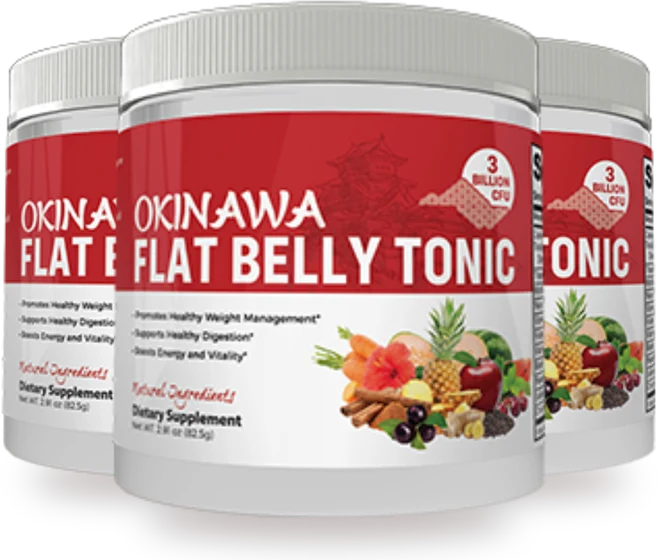
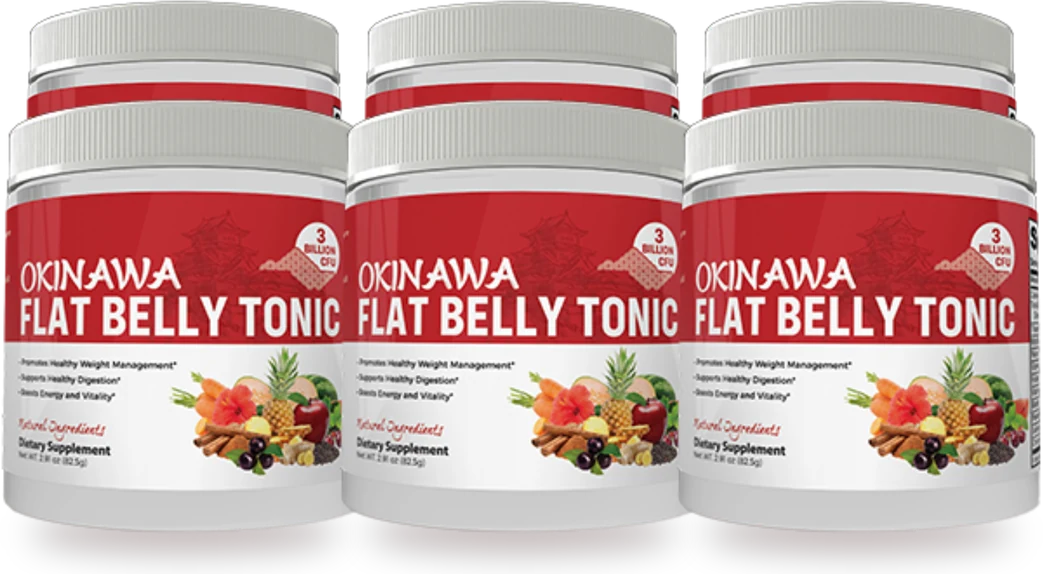
The tonic's Digestive Blend pairs inulin and oat hull fiber with nine probiotic strains at 3 billion CFU at the time of manufacture, adding 2 g of fiber per scoop. Read the FAQ for directions and safety notes.
This article is for general education and is not medical advice. Speak with a qualified healthcare professional about your individual needs.